
Medically reviewed by Algery Al Hafi, MSN, APRN, FNP-C
Published May 27, 2026 · Last Updated August 3, 2026
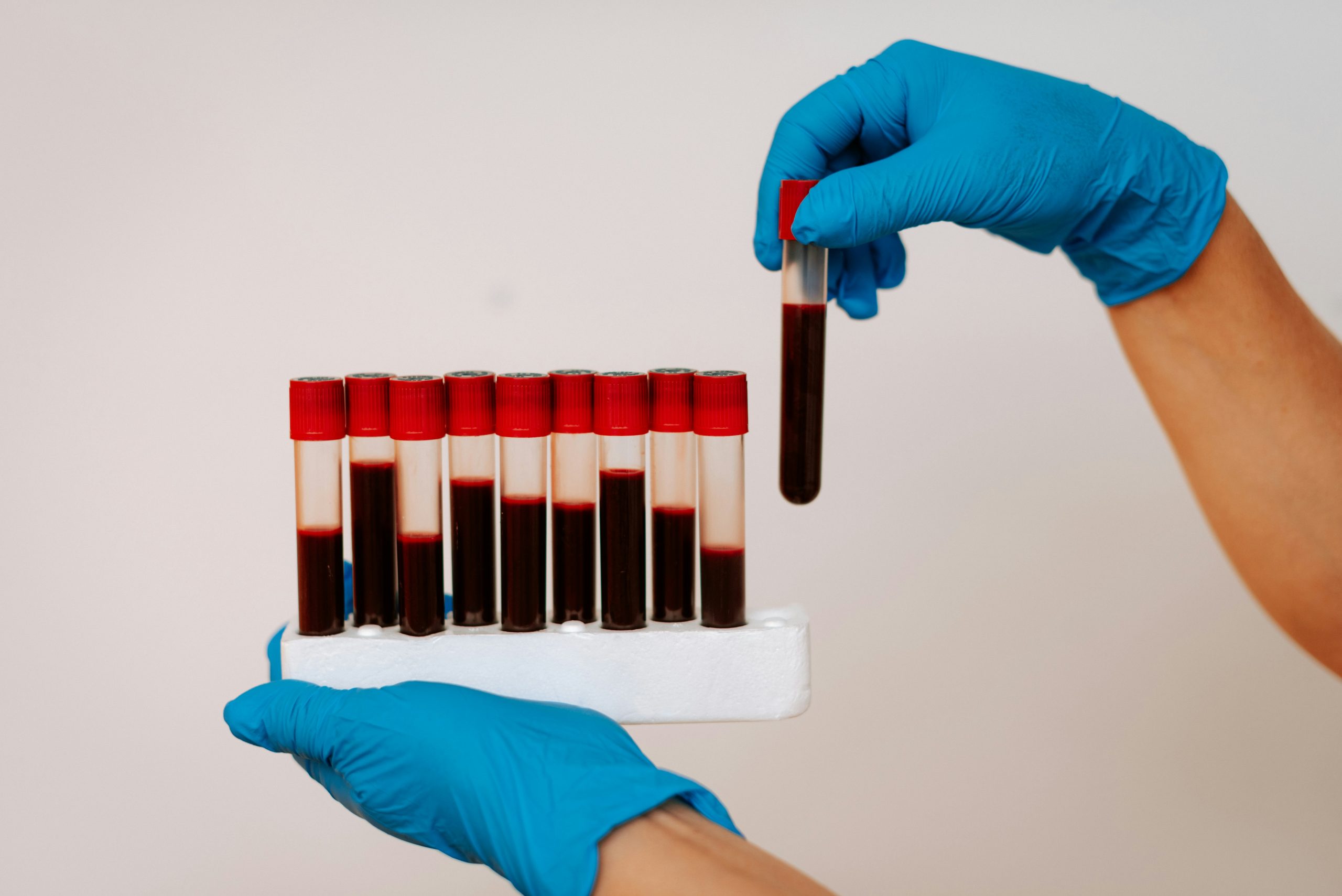
If you’ve ever walked out of a doctor’s appointment holding a piece of paper that says “everything looks normal” while your body is screaming that something is very wrong — I want you to hear me first: you’re not imagining it. This is treatable. The phrase I hear most often in my practice is some version of “my normal labs still feel bad — how can both be true?” The answer is that they can be, and usually are. The problem isn’t your body lying to you. The problem is what was tested, how it was interpreted, and what “normal” actually means on a lab report. Let me walk you through it.
What “Normal” Actually Means on a Lab Report
Here’s the part nobody warned you about: a reference range on a lab is a statistical average, not a target for thriving. Most ranges represent roughly two standard deviations of the population that happened to get tested at that lab — which includes plenty of tired, stressed, undertreated people. So when your TSH or your testosterone falls inside that wide bracket, the report prints “normal” and the conversation ends. But “not flagged” is not the same as “optimal.” It is not the same as feeling like yourself. I see this in my practice every week — women in their late 30s, 40s, and 50s who have been told their labs are fine while they’re battling fatigue that sleep doesn’t fix, brain fog, food noise, weight that won’t budge, and a mood they don’t recognize. As Dr. Mary Claire Haver puts it, “You’re not having a hormone problem if your periods are normal. And we have to stop telling women that because it’s not true.”
Why Normal Labs Still Feel Bad: What Standard Panels Miss
When your GP runs “a full workup,” what you usually get is a CBC, a basic metabolic panel, a cholesterol panel, and a TSH. That’s it. That panel was not designed to find the reason you can’t think clearly or why you’ve gained fifteen pounds without changing a thing. Here is what is almost always missing — and why normal labs still feel bad for so many of my patients:
- Full thyroid panel — not just TSH. Free T3, Free T4, Reverse T3, and thyroid antibodies (TPO, TgAb).
- Free hormone fractions — total testosterone tells you almost nothing without free testosterone and SHBG (sex hormone binding globulin).
- Estradiol and progesterone — interpreted in the context of cycle day and symptoms, not just “in range.”
- DHEA-S — your adrenal reserve hormone, often quietly tanked.
- Fasting insulin and HbA1c together — glucose can look fine for years while insulin is climbing.
- Vitamin D, B12, ferritin, and a full iron panel — ferritin under 50 will make you exhausted long before you’re “anemic.”
As Dr. Louise Newson puts it, “It’s really important to have any blood test interpreted by someone who understands hormones because out of context you can either be falsely reassured or falsely concerned.” That single sentence summarizes thousands of dismissed appointments.
The Pattern I See: Dismissed, Then Handed an SSRI
Here is the story I hear over and over. A patient describes brain fog, low mood, weight gain, and crushing fatigue. Labs come back “normal.” Instead of investigating hormones, she’s offered an SSRI and told to exercise more and manage her stress. She walks out feeling unseen. Sometimes the SSRI helps a little. Often it dulls everything — including the part of her that was trying to tell her something is wrong. This is the gap between not flagged and feeling like yourself, and it is the gap Aura was built to close. If any of this sounds familiar, I’d encourage you to also read Top 5 Signs of Hormone Imbalance, because once you see the cluster, it’s very hard to unsee.
How Aura Reads Bloodwork Differently
At Aura, I personally see every patient — there are no hand-offs to another provider, no five-minute telehealth visit that never listens. Before I recommend anything, I want to see your labs. Not a basic panel. A full panel — thyroid with Free T3, Free T4, Reverse T3 and antibodies; estradiol, progesterone, total and free testosterone, SHBG, DHEA-S; fasting insulin, HbA1c, a full lipid and iron panel, vitamin D, B12, and cortisol where appropriate. Then I read them against optimal ranges and, more importantly, against your symptoms and your story. We don’t use templated protocols. Every plan is built around your specific bloodwork, your cycle, your life stage, and what you actually want to feel like again. Telehealth doesn’t mean less thorough — it means clinical depth from your home, anywhere in Florida.
What to Do If You’ve Been Told You’re “Fine” But You’re Not
If you’re still here, you already know something is off. A few things I’d ask you to hold onto:
- Bring your old labs. Even “normal” results from two and five years ago show me trends your previous provider missed.
- Write down your symptom cluster — sleep, mood, energy, cycle, weight, libido, brain function. Patterns matter more than any single number.
- Ask for the panel by name. If a provider won’t run Free T3, Reverse T3, free testosterone, SHBG, DHEA-S, and fasting insulin, that’s information about the provider, not about your body.
You’re Not Imagining It — Let’s Look Properly
Normal-range labs are a starting point, not the end, in our hormone optimization program.
If your labs read normal but you still feel off, working with a perimenopause and menopause specialist in Tampa can help you get to the root.
If you’ve been told normal labs still feel bad is just stress, just aging, or just in your head, I want you to know how often that turns out to be wrong. Most of my patients describe their first visit with me as the relief of finally naming it. If you’re ready for a provider who will actually read your bloodwork — and who will personally stay with you through the protocol — book your consultation and let’s get you back to yourself.